Tuner Weight

MetalManiac

Li'l Junior Member
Its really amazing to me about tuner weight. Theres not a ballz out difference in weight, but for some reason, it makes, in this reporters opinion, a huge difference up there up on the headstock.

I could take a neck that's super light, and put heavy Schallers on, and it just destroys it for me. The heavy tuners are starting to get very suspect to me in many assemblies as adding a somehow over the top weight to the neck.

Again, there's not tons of difference in actual weight of , say, Schallers vs. what is probably the lightest in a Gotoh vintage style ( for Strat), or a hipshot open gear or maybe Kluson for either Gibson or Fender. .

A good option is the Aluminum Sperzels. They are fragile in my experience with em compared to the heavy Schaller lockers, or even the Grovers and Gotohs.

Right now I have just installed Schaller tuners on a Strat with a relatively heavy neck ( but still w/o tuners,it feels very light) and I am thinking to get a lighter tuner headstock is super sensitive to weight of tuners IMO. Not that you don't sometimes want that, but in general, not a good thing.

Even the lighter necks I have get pretty heavy relatively with ANY kind of tuners installed. Can we develope somerthing like Carbon Fiber tuners [please; although I would think steel would be best for tone transfer.
 
Last edited:
Re: Tuner Weight

I just don't notice this; I have/ have had guitars with Klusons, Sperzel lockers, Schaller lockers, "regular" sealed back, "quality" open back, cheapos... I've switched sets on guitars, and weight was the last thing I worried about or noticed.

I think the FR Discovery/Speedload system (only using fine tuners) was a great innovation, too bad it didn't/hasn't taken off. I think having fine tuners brushing against my palm is more of a pain than tuners on the neck, though...
 
Re: Tuner Weight

Everything matters. I notice how a guitar (solid or acoustic) will sound different with a headstock tuner clipped on v's without a tuner clipped on. Inventions like the Fathead and Fat Finger are also devices designed to exploit headstock mass and resonance.

It seems to my ears that a lighter, less encumbered headstock gives a more 'air-y' version of the sound,whilst a heavier or dampened headstock gives a tighter, more solid version. It was no accident that the old Rolland GR707 synth guitar had that parallel bar joining the body to the headstock ... it's purpose was to kill resonance to emphasis the fundamental so that the MIDI pickup would track better.

Those looking for vintage sounds usually seem to gravitate to lighter tuners to maintain that airy resonance. I have taken to removing headstock tuners once the tuning process is complete, they are only clipped on when in use for tuning.

All these small elelments do make a difference. Not necessarily better or worse, but the differences are there, and can be felt and heard.
 
Re: Tuner Weight

While too much weight on the wrong model guitar headstock can make it dive, I still would rather side with tuning stability and solid tuning action (no play) and find other workarounds for the dive (strap, or just deal with it) rather than change out to lighter weight tuners just for the weight issue.
 
Re: Tuner Weight

if it isnt stable, then its trash and i have no use for it to begin with
 
Re: Tuner Weight

you can always add weight to the back of the guitar near the strap pin, if you want could even super glue some cool coins or inlay them on the guitar, also if you happen to get some lead and can melt it you can do something on the grover jackson experiments vibe and drill a small hole and fill it with lead..... or solder so you don't only add mas to a neck diving guitar, you can add it on critical places to change the resonance and sustain of a guitar
 
Re: Tuner Weight

oh yeah, lead..now that's a awesome tone factor right there...we need more lead guitars, to heck with Brazillian Rosewood , Macassar Ebony and Honduran Mahogany, i want lead!
 
Re: Tuner Weight

haha, nope, but in reality, while still working on jackson guitars, grover jackson used to do experiments with heavily chambered guitars which he drilled holes on specific parts (near the bridge, under the pickups, around neck pocket and so on) then he filled those small holes with lead to add mass on those parts and hear how the extra mass affected the tone and sustain of the guitars
 
Re: Tuner Weight

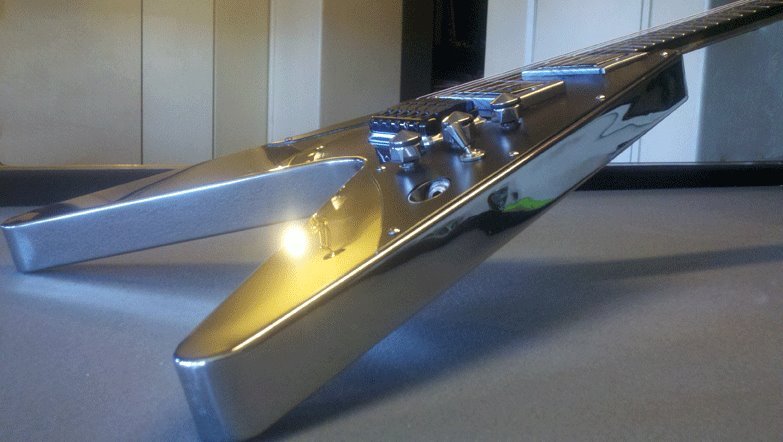
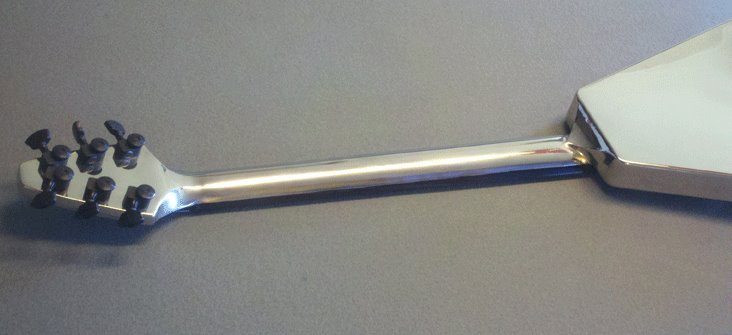
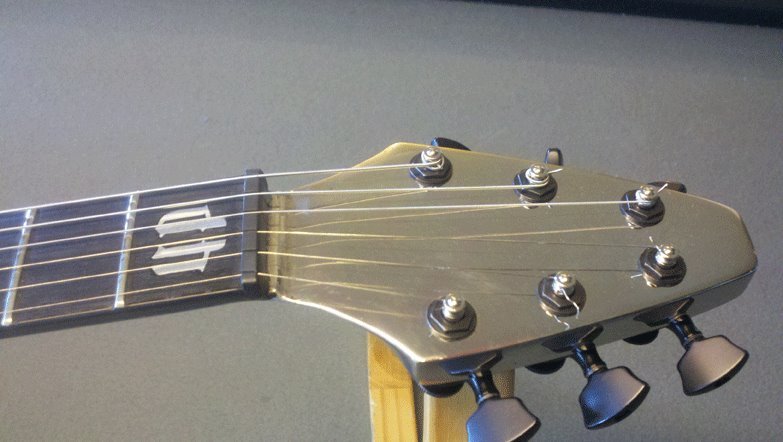
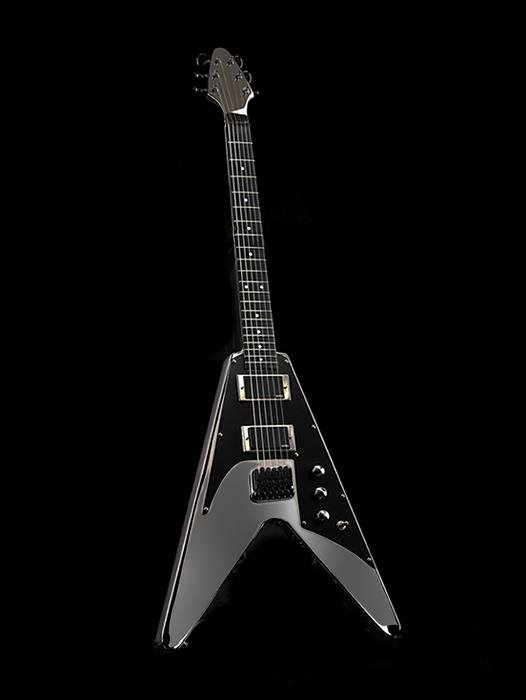
nah nothing is heavier than a steel flying v!!!

d-h-guitars-stainless-steel-1.jpg
d-h-guitars-stainless-steel-3.jpg
d-h-guitars-stainless-steel-2.jpg
d-h-guitars-stainless-steel-4.jpg
 
Re: Tuner Weight

nope, it's steel, a hollow construct of steel, the thing is one piece (except for the board) of steel, i ignore how thick the steel sheet is, the guitar is /or was made, don't know) by D&H guitars
 
Re: Tuner Weight

oh yeah, lead..now that's a awesome tone factor right there...we need more lead guitars, to heck with Brazillian Rosewood , Macassar Ebony and Honduran Mahogany, i want lead!

"Led", surely?


Sent from my iPhone using Tapatalk
 
Back
Top