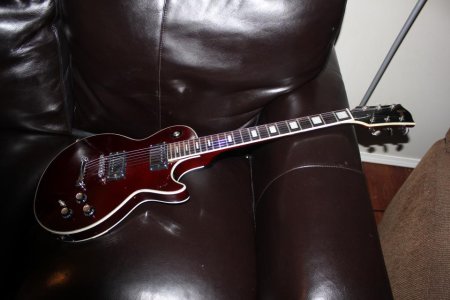
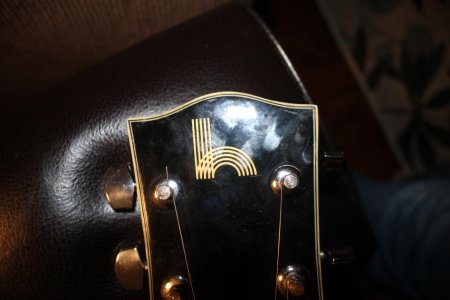
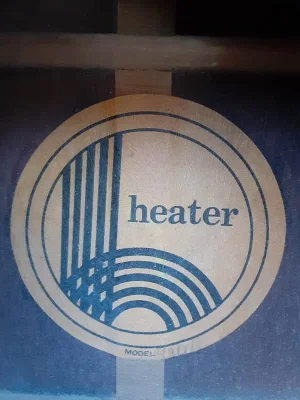
Heater LP copies were produced in Japan in the mid-to-late 1970s, typically by the same large OEM factories that built guitars for brands like Ventura, Electra, Greco, and some lower-tier Ibanez and Aria models. Heater wasn’t a factory brand; it was a badge brand, meaning the specs could vary depending on the distributor order, but the construction traits are pretty consistent.
Most Heater Les Paul copies you’ll see are single-cut, set-neck guitars with a mahogany body, a maple cap or laminate maple top, and a rosewood fretboard. Necks are usually a medium C, not the super slim ’60s carve, and they tend to feel solid rather than flimsy. Hardware is typical MIJ of the era: Gotoh-style tuners, metric bridges, and pickups that range from lower-output PAF-style humbuckers to hotter ceramic units in later runs.
They are not top-tier lawsuit guitars, but they’re also not junk. Think of them as sitting below Greco Super Real / Ibanez Artist, but on par with Ventura, early Electra, Univox, or Cortez LP copies. When well set up, they can be surprisingly good players, especially if the pickups are swapped.
Collector value is modest. They don’t command the money of Ibanez or Greco, but players like them because you’re paying for wood and construction, not hype. If someone finds one cheap, it’s usually a smart grab, especially for a mod platform.