Inflames626
New member
Hi friends,
Somebody probably has already addressed this in another thread. If so, I apologize.
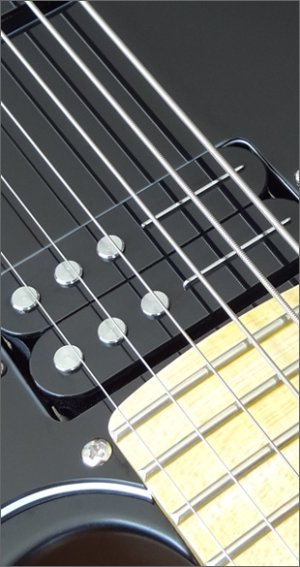
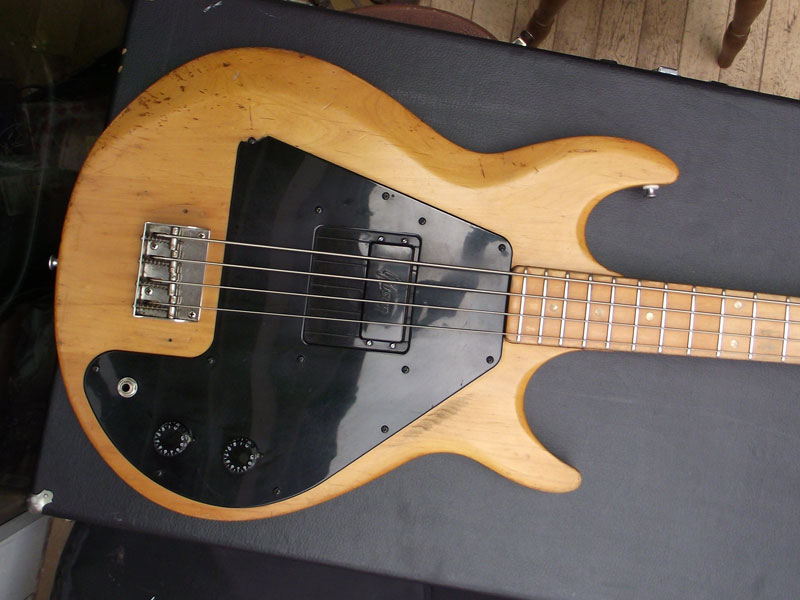
As a guitar player who also dabbles in bass, I was wondering if bass pickup shape affects the tone of the pickup, or if the shape is simply the housing into which any kind of tone can be placed.
Now, this has exceptions, I realize, due to size of magnets and coils (especially in MM type pickups), placement of pickup along body (how a P Bass split coil emphasizes lows and highs by putting the bass side closer to the neck and the treble side closer to the bridge).
To my knowledge, the thinking used to be, if you wanted a fat rock tone with lots of lows, you needed a P Bass. If you wanted more versatility, with mids and a good fretless or slap sound, you wanted a Jazz bass. If you wanted a really hot, overdriven sound (say, Motorhead, but I know Lemmy uses a Rick) with a lot of switching options, you tried an MM. And if you wanted a good all rounder, you tried soapbars.
Do these relationships still hold true, or, like with guitars, are manufacturers now putting humbuckers into single coils, etc., and inexperienced ears can't tell the difference?
I've noticed more and more manufacturers moving toward soapbars, especially for six strings and above, instead of creating 6 string jazz bass housings, or P Bass style split coils for 6 strings, or MM style six strings.
I thought perhaps this might be because soapbars are easier to manufacture and adjust, especially for guitar players who are used to humbuckers (for example, I find P bass pickups, with their need for foam, to be a pain to adjust compared to a soapbar).
The entire point of this is, if a person wants a diversity of bass tones, are they better off getting a bass dedicated to each pickup shape, or is buying a bass based upon these criteria old fashioned thinking? Are different pickup form factors just for looks now, or do they make a tangible difference in tone assuming the pickups are equivalent in quality, hotness, etc.?
Also, I know that many basses, like a Stingray, are considered very versatile, but my thinking is that many basses that are versatile can do many things but are the master of none, or, at least, not as good as a pickup designed for a specific purpose.
Somebody probably has already addressed this in another thread. If so, I apologize.
As a guitar player who also dabbles in bass, I was wondering if bass pickup shape affects the tone of the pickup, or if the shape is simply the housing into which any kind of tone can be placed.
Now, this has exceptions, I realize, due to size of magnets and coils (especially in MM type pickups), placement of pickup along body (how a P Bass split coil emphasizes lows and highs by putting the bass side closer to the neck and the treble side closer to the bridge).
To my knowledge, the thinking used to be, if you wanted a fat rock tone with lots of lows, you needed a P Bass. If you wanted more versatility, with mids and a good fretless or slap sound, you wanted a Jazz bass. If you wanted a really hot, overdriven sound (say, Motorhead, but I know Lemmy uses a Rick) with a lot of switching options, you tried an MM. And if you wanted a good all rounder, you tried soapbars.
Do these relationships still hold true, or, like with guitars, are manufacturers now putting humbuckers into single coils, etc., and inexperienced ears can't tell the difference?
I've noticed more and more manufacturers moving toward soapbars, especially for six strings and above, instead of creating 6 string jazz bass housings, or P Bass style split coils for 6 strings, or MM style six strings.
I thought perhaps this might be because soapbars are easier to manufacture and adjust, especially for guitar players who are used to humbuckers (for example, I find P bass pickups, with their need for foam, to be a pain to adjust compared to a soapbar).
The entire point of this is, if a person wants a diversity of bass tones, are they better off getting a bass dedicated to each pickup shape, or is buying a bass based upon these criteria old fashioned thinking? Are different pickup form factors just for looks now, or do they make a tangible difference in tone assuming the pickups are equivalent in quality, hotness, etc.?
Also, I know that many basses, like a Stingray, are considered very versatile, but my thinking is that many basses that are versatile can do many things but are the master of none, or, at least, not as good as a pickup designed for a specific purpose.
Last edited: