Re: Fender History..fire in Mexico?
http://www.xanga.com/home.aspx?user=Kris_Impossible&nextdate=12%2f5%2f2005+13%3a43%3a26.703
' Fender’s Ensenada, Mexico plant first opened in 1989. When it first opened, it consisted of 5 workers packaging strings in a converted church building. It has since become the crux of Fender’s international operations due to its relative proximity to Fender USA’s Corona, California plant. The success of the Ensenada plant was followed by Fender China’s opening in 1991.
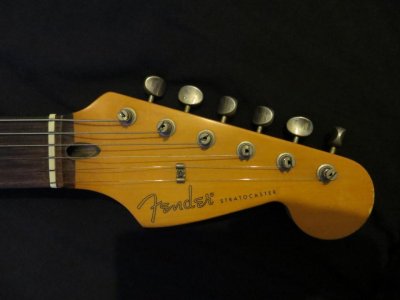
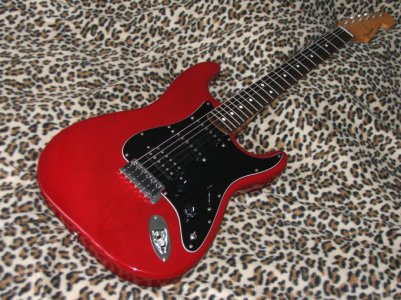
Due to this globalization, the Stratocaster is now produced in several different countries, including: China, Mexico, Japan, and America. One of the most unique aspects about Fender’s international operations is that each operates as an independent production unit. This makes direct comparisons between the subsidiaries more significant than pipelined production–in which parts may be produced in one country and assembled in another.
It is widely accepted by the guitar that the quality of Stratocasters produced today can be ranked by the countries they are produced in. America produces the highest quality Strats, followed by Japan, Mexico, and China. This is also reflected by the price of the guitars themselves. All China-made Strats fall in the price range between $100 and $400.
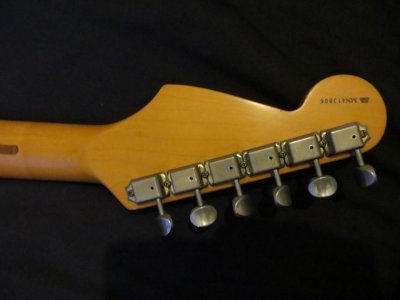
Mexican-made Strats cost between $400 and $700. Japanese-made Strats run between $700 and $900 and American-made Strats start at $900 and end at $1600. One reason for this is that the fundamental differences in the materials used in the manufacturing process. Strats produced in China use lower quality woods, pickups, and tuning pegs in order to bring costs as low as possible. For a few years in the late 90's, Fender China even made guitar bodies thinner to save on wood. In a personal correspondence with Fender USA’s consumer relations representative, David Gonzalez explained:
I can tell you that the difference in price between an American and Mexican made instrument is the result of several factors. Mexican made instrument are generally made with lower grade woods and less expensive foreign made components whereas their American made counterparts use higher grade woods and more expensive American made components. Lower manufacturing and labor costs at the Mexico factory also plays a role the price difference. The Mexican made instruments are less expensive to produce than the American instruments. This, coupled with less expensive parts and components, allows us to offer them at a much lower price. (p.1)
Another factor in the price difference between Strats is the level of worker training. Located in Corona, California, Fender’s Custom Shop is the workplace of only 50 artisans compared to Fender Mexico’s Ensenada plant, which has over 1000 employees. While workers in the Custom Shop have all received years of training in all stages of the guitar-making process, while workers at Fender’s subsidiaries abroad are simply managed by workers at Fender USA’s plant. This difference in the level of attention to detail depending on where a guitar is made plays a huge role in assessing the price of a guitar.'