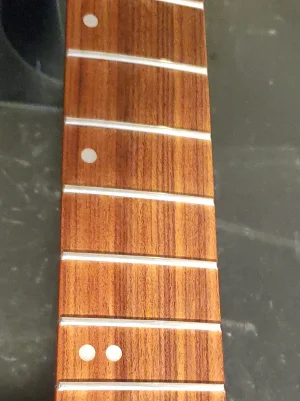
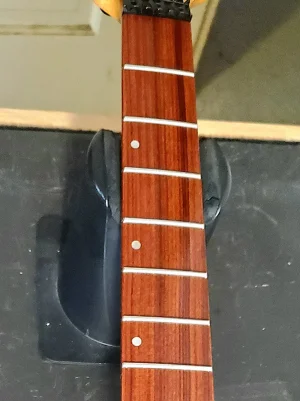
Used Fret Doctor on the new Washburn fret board and WOW!

Ascension

Well-known member
When I first got the guitar and opened the case I thought it had a maple board at first. The Brazilian Rosewood fretboard was so dry it was bleached out and almost blond. This is the second of the old Washburn USA MG guitars that had been stored in the case for many years I have seen this with. The tone was also a little hars and plinky. After a couple coats of Fret Doctor the color came back and the tone warmed up a bit. This stuff is amazing and have saved a few guitars with it. Here is a before and after photo of the neck and Fret board. It's much more dramatic in person a change than the photos show though. Before and after the Fret Doctor.
 

Attachments

  • 20260129_091654.webp
    20260129_091654.webp
    528 KB · Views: 5
  • 20260129_111038.webp
    20260129_111038.webp
    413.8 KB · Views: 5
Ummmm...what's Fret Doctor?
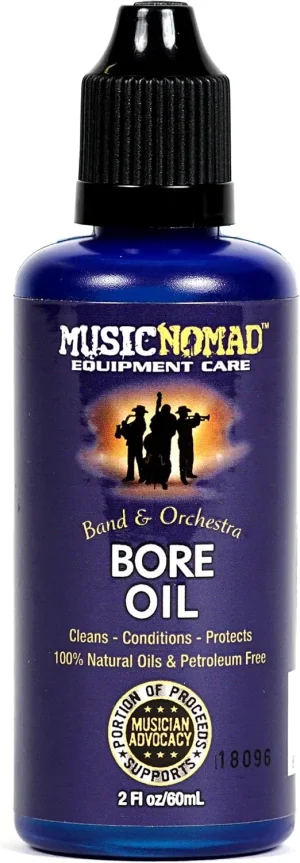
This stuff. https://doctorsprod.com/products/fret-doctor
Saved several guitars over the years with super dry fretboards bridges ect with it. The MG 132FR fretboard is just the latest example.
The most extreme was my 93 Carvin DC 127 in solid tung oil KOA. It was a pawn shop rescue from a shop that I once worked in. Guitar sat on the rack for several years and was absolutely filthy when I got it. When I got in home and cleaned it up, the ebony fret board was just encrusted in junk. After I got it cleaned up, I noticed the grain had opened because the board was so dry straight up the neck and between the frets. Thought it was going to be a major issue but tried the boar Oil in Fret Doctor and over a couple of days kept applying a light coat and letting it soak in. Now I still have the guitar and dare you to find a crack in this board. Have had similar experiences several times over the years with other guitars.
Nothing else I have ever found comes even close in extreme cases to what this stuff can do!
The difference in the MG 132 FR in appearance of the fretboard is shocking from before and after
 
Never had a fretboard get so dry that I could hear any tonal difference from oiling it!

Fretdoctor sounds like good stuff, but it seems pretty expensive for what it is. Recently, I had some leftover Howard's Wax N'Feed from polishing some furniture, and have started using it on my rosewood/ebony fretboards. It's really good for that purpose (seems to last forever, doesn't leave any residue behind, no silicone stuff in it) and is very cheap compared to guitar specific formulations. You just need a tiny bit on a rag, wipe it on and wipe it off after ten minutes . . . so the 1/4 bottle of Howard's I've got should last me the rest of my life.
 
Never had a fretboard get so dry that I could hear any tonal difference from oiling it!

Fretdoctor sounds like good stuff, but it seems pretty expensive for what it is. Recently, I had some leftover Howard's Wax N'Feed from polishing some furniture, and have started using it on my rosewood/ebony fretboards. It's really good for that purpose (seems to last forever, doesn't leave any residue behind, no silicone stuff in it) and is very cheap compared to guitar specific formulations. You just need a tiny bit on a rag, wipe it on and wipe it off after ten minutes . . . so the 1/4 bottle of Howard's I've got should last me the rest of my life.
What makes Fret Doctor different is that it was created not for guitars but for restoration of Historic woodwind instruments by a chemist. Things like revolutionary War fifes etc. In that usage an instrument would be immersed or filled with boar oil and allowed to soak. It restores the Natural oils to the wood and allows it to re-expand naturally to seal cracks where the grain has opened due to drying out. You also can't over oil with it unless you get really crazy with it like ypu can with many other products. The wood will absorb what it needs then the rest will stay on the top to be wiped away. On a board being so dry it affects tone have only seen maybe 5 or 6 over the years. 2 of these US Washburns, the 93 Carvin and a couple of others. Both of the Washburns were essentially NOS guitars that had been stored unplayed for 20 to 30 years. The Carvin had been on the rack grossly over priced for over 5 years at a Pawn Shop I once worked in. Folks would pick it up play it then set it back on the rack. The guitar was absolutely filthy. This is a product that for many years I have used regularly to help restore pawn shop rescue guitars. I have tried many other products and so far have never seen anything like this stuff. It prevents things like Fret sprout from a board shrinking as it dries out. It's also non toxic and I have used on things like my cutting boards that I use for food prep to prevent them from drying out and cracking. Every guitar I own gets the board cleaned and oiled every year or so. Tjis is one of the reasons guitars that I have gigged regularly are so nice as its part of my regular maitenece scedule. Have used this stuff for over 20 years and am now on only my second bottle. The first bottle finally started drying up and had gotten a little odor so I threw it out and replaced it with a new bottle. You don't use much if you use it right so the expense is lower than you think.
 
I use Ernie Ball fretboard wipes. Florida is pretty wet, though, so things don't dry out here like in other parts of the world.
 
I've been playing for over 65 years and have been in the business of making guitars for 20 years. From my experience, I have found that it is almost impossible to hear the tonal differences between two totally different types of fretboard woods (notice I said "almost"). I find it extremely hard to believe that oiling a fretboard would make the tone of a guitar "warm up". You'd have to show me some data to prove that. Or at least provide me with the name and contact info of the voodoo witch doctor that put a spell on your guitar.
 
I used lemon oil for a long time, but most of the pros have switched to Howard Feed'N'Wax.
Lemon oil is mostly just mineral spirits with a smell. I use it regularly to clean fretboards it's good stuff. However, it will do noting to bring back color to help with fret sprout from fretboard shrinkage and help close open grain from a board being super dry. I use the Howard on antique furniture, it's a good product but won’t address dry wood. I don't know of any other product that will do what Fret Doctor does. It was not produced for guitars originally, it was created by a chemist as a bore oil for restoration of historic woodwind instruments. In particular, revolutionary war era wood fifes. They would dry out and the grain separate, making them unplayable. The guitar part was an accident, but it works.
When I first got my 93 solid Koa Carvin DC 127 it was filthy. It had sat overpriced on the wall at a local Pawn shop for over 5 years. I went to work for the shop and the owner and I cut a deal on it. When I got it home and cleaned it up, the ebony board was so dry the grain had opened on the board. The grain ran longwise up the neck and the grain had opened between several frets could not see it because the board was so encrusted with filth, but it was there. Cleaned it up, polished the frets and then hit it with Fret Doctor. Applied it a number of times over a couple of days and let it soak. You can't over oil as the wood will take what it needs then stop absorbing, and it will just stay on the top. When it stared doing this I wiped it down and took a look. No open grain, nothing. That is exactly what this stuff was designed to do in restoration of antique woodwind instruments. Have been playing that guitar out now for over 10 years still no open grain cracks in that board. Show me anything else that could have done that? Not saying it doesn't exist just that I have never seen it. Have been using this for almost 20 years now on my fretboard bridges etc where there is un protected wood. Also use it on my cutting boards to prevent them from cracking and drying out after being used and cleaned, it is 100% safe to use even with food processing on a cutting board.
Some of the other products that folks use are toxic, and that is something that should be considered. After 20 years, I am just now getting into my second bottle. That is only because after using the first bottle for so long, it had dried up a little and started to discolor. Every guitar I own every year or so gets the board cleaned a fret polish and a fresh coat of Fret Doctor.
 
I use the Howard on antique furniture, it's a good product but won’t address dry wood.
I don't agree with this at all. Howard's is great for dry wood - on furniture and fretboards. The stuff is just a mix of thin oils with carnuba and beeswax. The oils soak in nicely on any dry wood I've tried it on.
 
Back
Top